
AmTab Manufacturing Corporation: Modernizing enterprise commerce through catalog transformation





A brief background on AmTab Manufacturing Corporation
AmTab Manufacturing Corporation designs and manufactures premium furniture and signage products for commercial and institutional spaces across the US. Customers expect new designs, finishes, and configurations on a regular basis, so the catalog behind the scenes is large and keeps growing constantly, which resulted in constant updates to product records, image galleries, and custom design workflows. As AmTab’s operation extended, the existing commerce platform started to show various limitations. It was taking too long to update the products. Media files were stored on various systems. Those customers requesting customized designs had to fill in paper forms and wait for a callback. AmTab partnered with nopStation in 2023 to fix that, and to build something that could actually keep pace with the business.
Challenges
AmTab came to nopStation running its storefront on nopCommerce 4.3, wanting to modernize catalog management, media handling, and custom design intake for its expanding catalog. After sitting down with their team, our team identified five specific problems that were holding them back.
High-Volume Product and Category Management: AmTab's furniture catalog is large and changes often. Adding or updating one product was fine; adding hundreds in a batch was painful. Database queries slowed down, pages took longer to load, and the team wanted to bulk-update categories without touching each product one by one. The platform simply did not have the capability to perform this operation at scale.
Product Media Management Complexity: A single furniture item needs photos from multiple angles, in different finishes and configurations. AmTab's images were scattered across upload folders, some linked to products and some effectively orphaned. Swapping a photo or adding a new one across ten related products meant doing it one at a time. There was no central gallery, and no way to say "use this image for these five items."
Manual and Time-Consuming Operational Processes: Most catalog work was done manually. Update an attribute here, move a file there, fix a category mapping somewhere else. There were no bulk tools, and no import or export functionalities that actually worked the way the team needed. A task that should have taken an hour routinely consumed half the day.
Complex Design Request Collection: AmTab customers constantly request customized furniture - in terms of measurements, finishing and configurations. There was no formal mechanism to capture what the client was actually asking for as customers would fill out forms, call and email their needs. In many cases, the designers had to make return phone calls just to understand the basic requirements.
Legacy Platform Performance and Infrastructure Constraints: AmTab's highly customized nopCommerce 4.3 store started running out of steam with growing volume of data, its cache clearing, bulk importing and category processing became slower. The outdated platform was losing ground on performance capabilities and new functionality. Moreover, it was hard to upgrade it as any intervention in the production environment carries certain risks.
Our Solution
To meet AmTab's requirements, nopStation combined targeted custom development on the existing codebase with a structured platform upgrade, moving the storefront from nopCommerce 4.3 to 4.90 on an MSSQL database hosted on Azure.
Scalable Product and Category Management: A customized categorization and bulk management system was designed for large-volume catalogs, including improved category management, efficient bulk import/export, database indexing, and faster hierarchical category processing. The new architecture allows AmTab to efficiently manage more than 20,000 categories and 1.4 million product-category mapping while maintaining responsive administration and consistent storefront performance, providing a scalable foundation for future catalog growth.
Centralized Product Media and Visual Commerce Management: NopStation created a centralized ecosystem for managing product images and videos, including a shared image gallery, video mapping, and Excel-based bulk image mapping. A Global Image Attribute now allows admin users to override the attribute values for all mapped products from a single place saving time, while the Excel-based workflow makes bulk media administration significantly faster. By centralizing product media into a single management ecosystem, AmTab was able to get rid of fragmented image management and improve consistency in its expanding product line. This will make it easier for business users to manage thousands of media items efficiently.
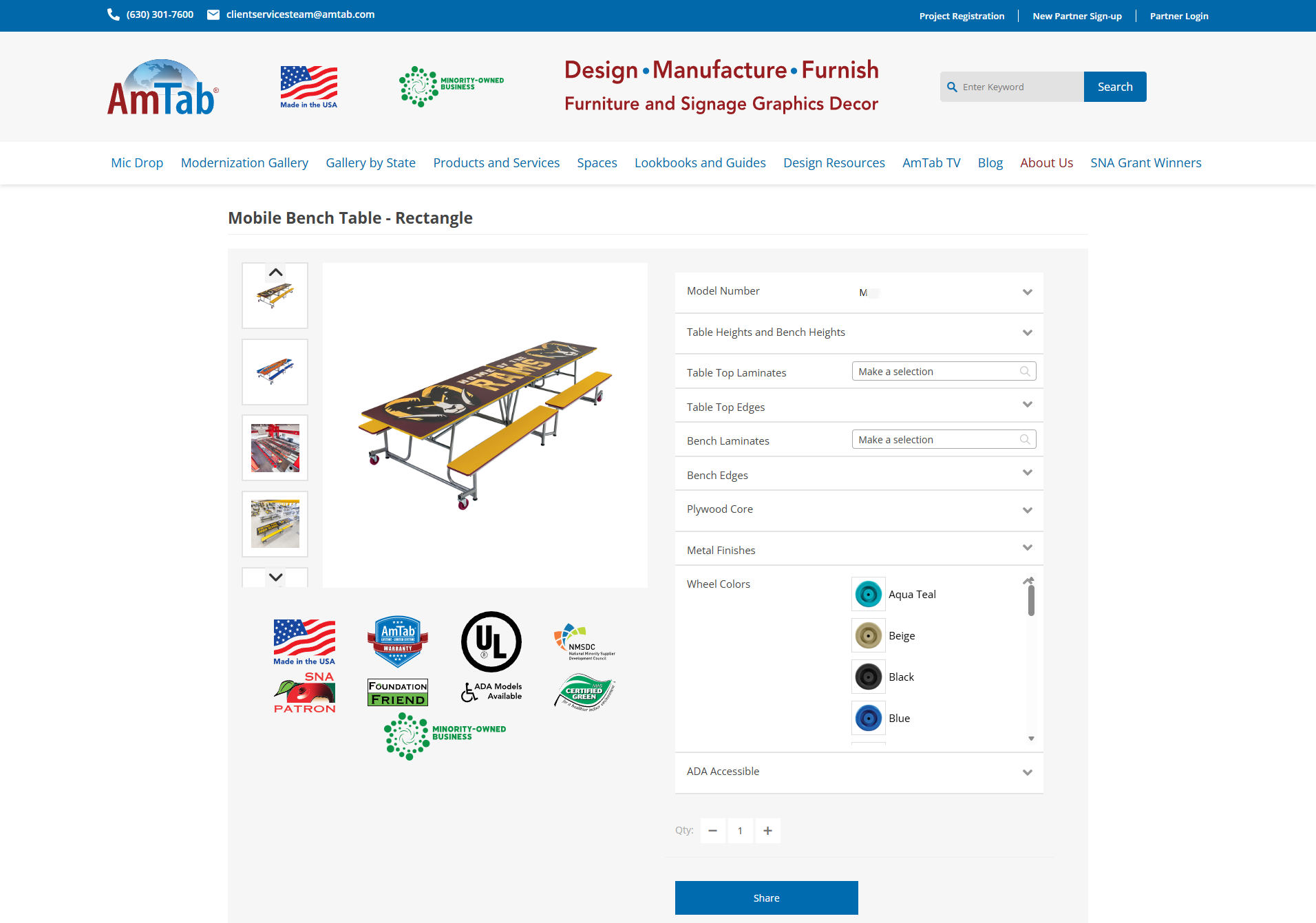
Image 1.2: Global attribute change, customer-facing selector
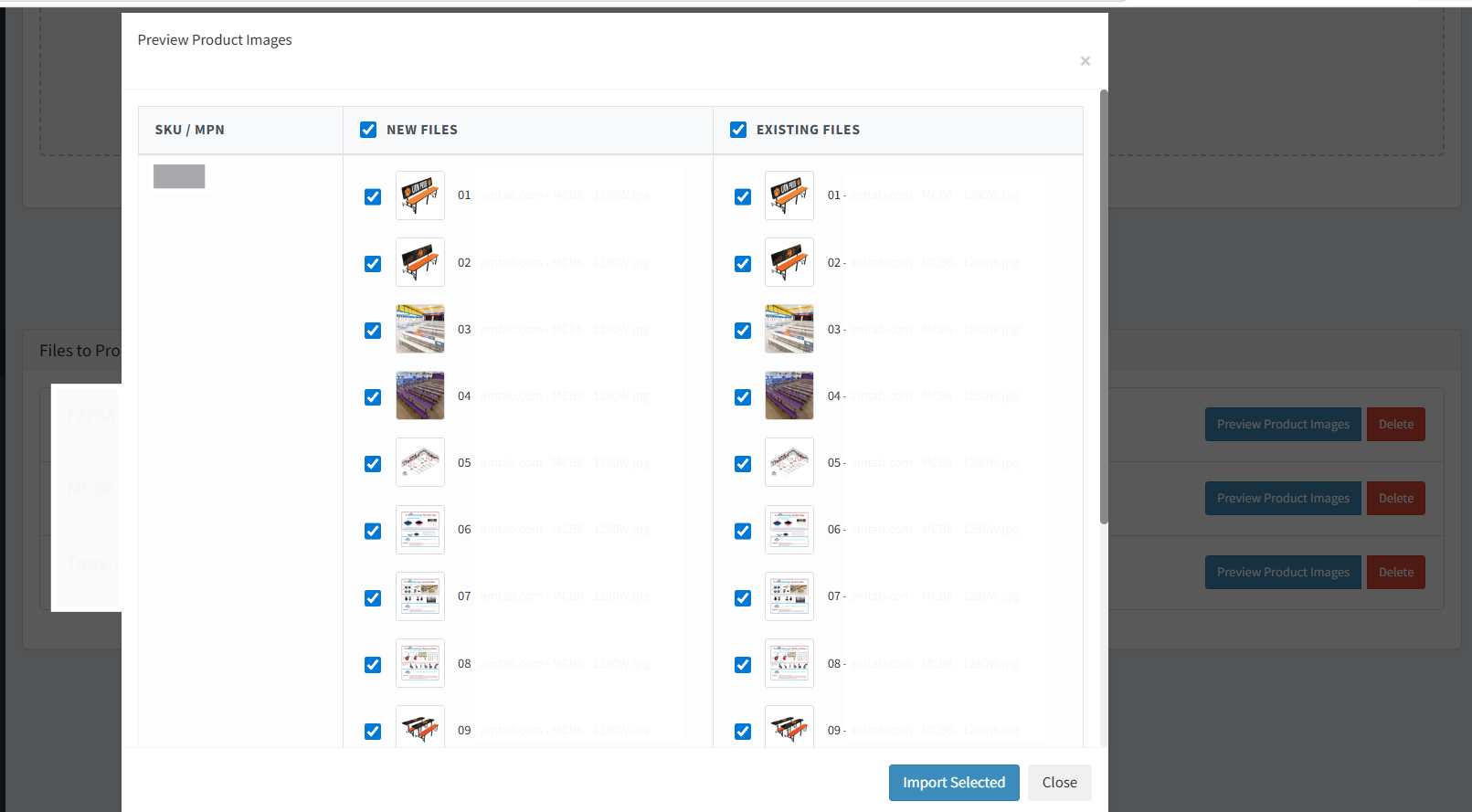
Image 1.3: Product Image Upload (comparing existing files with new files)
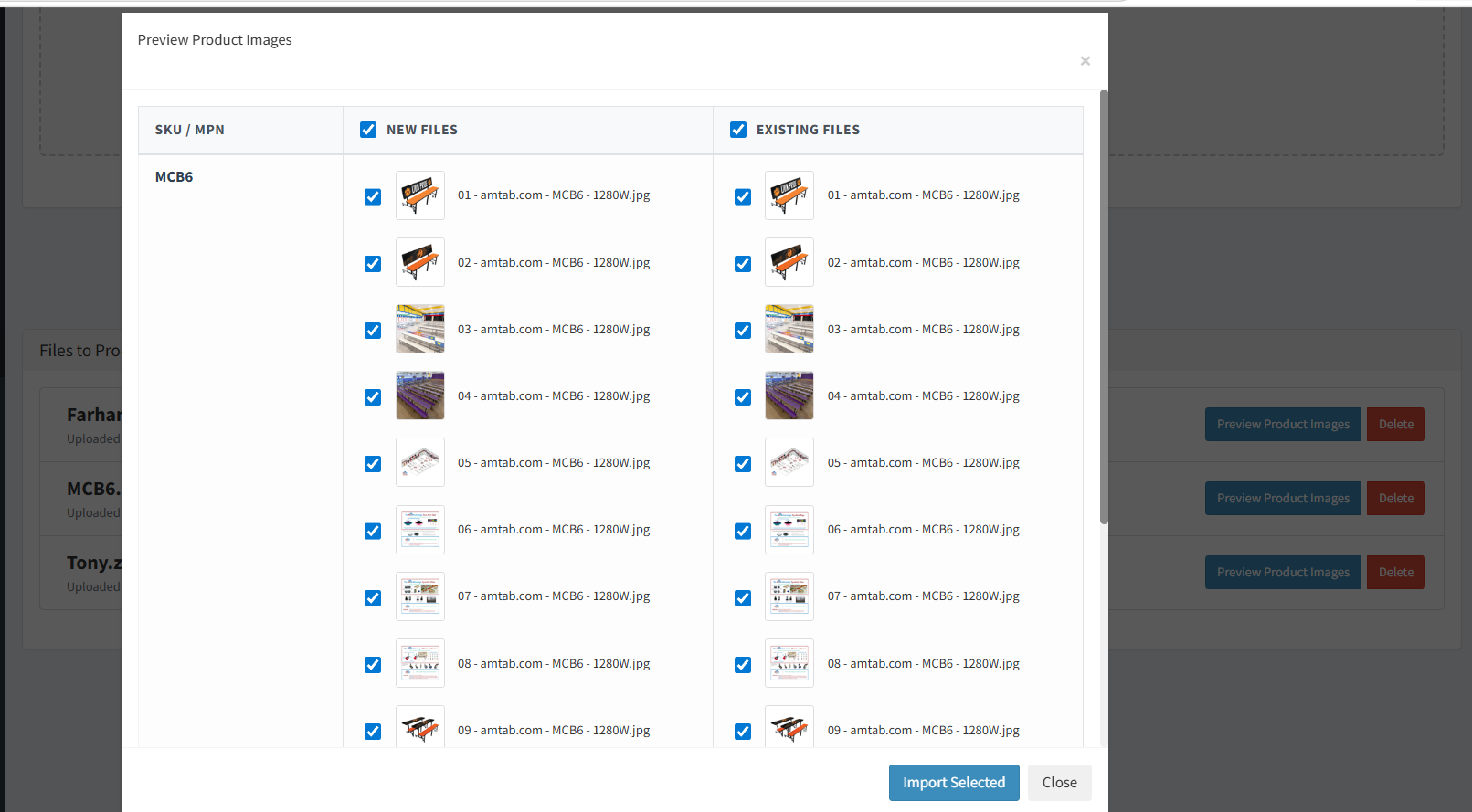
Image 1.4: Bulk product image upload processing
Excel-Based Operational Automation: Enabled admin users to manage product and media information through Excel-based import and export processes. By shifting complex catalog administration into familiar Excel-based workflows, admin users can now perform large-scale updates independently, significantly reducing administrative effort while accelerating product related content management.
Dynamic Design Intake and Design Services Form: The old process for a design request was a paper form and a follow-up call. We replaced it with a multi-step Design Intake Form that adjusts its own questions based on what the customer picks first: environment type, then design style, brand color, and file or link uploads. The Environment Category and Types of Spaces fields update dynamically and can be managed straight from the admin panel. Now the design team gets a complete brief upfront instead of playing phone tag to figure out what the customer actually wants.
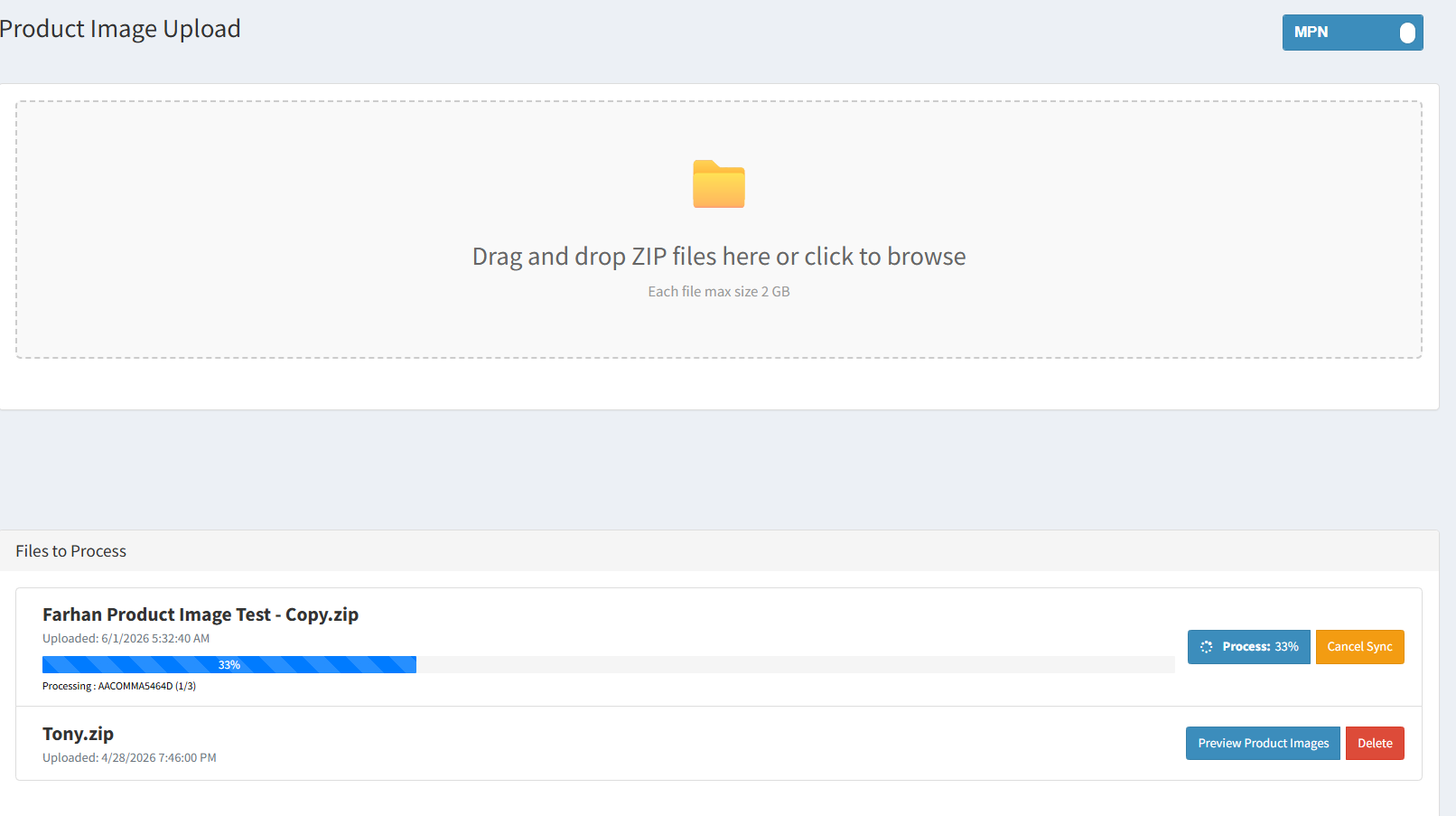
Image 1.5: Design Intake Form (Step 3)
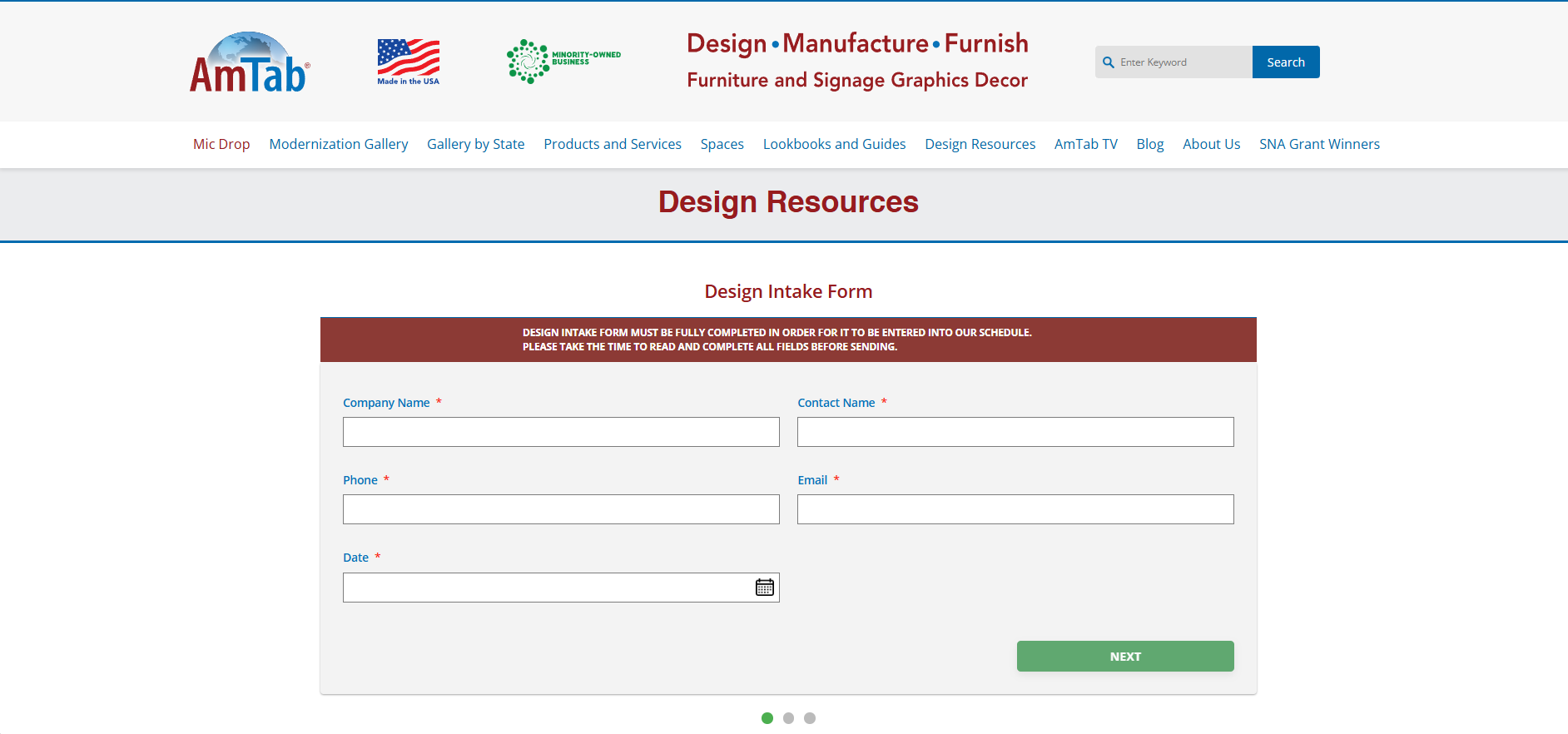
Image 1.6: Design Services Request Form
Enterprise Performance Optimization and a Zero-Downtime Upgrade to nopCommerce 4.90: On the performance side, we optimized database queries, added targeted indexing, and reworked cache management to keep the platform stable under high-volume operations, along with dynamic row configuration for more flexible admin layouts. The bigger piece was the version upgrade itself. We planned and executed a phased move from nopCommerce 4.30 to 4.90, putting AmTab on the .NET 9 runtime. Using Azure App Service deployment slots, the new version was deployed and validated in a staging slot, then swapped into production once everything checked out. Post-swap, the team handled the store URL, header and footer menus, mega menu, reCAPTCHA, the Azure Blob image plugin, and custom catalog slugs, all while keeping production downtime to a minimum.
Together, these pieces gave AmTab a catalog and media platform built to scale, a simpler design request process for customers, and a current, supported nopCommerce foundation to build on going forward.
Business Impact
The combined platform modernization, enterprise feature development, and operational automation initiatives delivered measurable improvements across business operations, customer experience, and platform scalability.
Improved Operational Efficiency
- Catalog updates that used to take a full day now take about an hour
- Faster product onboarding and category maintenance
- Far less manual, one-by-one admin work
Enhanced Customer Experience
- Customers browse by color and finish instead of reading dropdown text
- Design requests start with a guided form instead of a phone call
- More consistent product presentation across the catalog
Improved Platform Scalability and Stability
- Established a scalable commerce platform capable of supporting over 20,000 products and categories.
- Reduced performance bottlenecks during high-volume administrative operations.
- Modernized technology stack with nopCommerce 4.90 and .NET 9 for long-term sustainability.
Results
- Category and product management operations became highly efficient which reduced consumed time by 70%.
- Centralized management of product images and videos across the catalog.
- Brought storefront page loads under three seconds through database optimization, indexing, and cache tuning.
- Cut manual operational effort by 40% through Excel-based bulk management.
- Scaled the platform to support 20,000+ categories and 1.4 million+ category-product mapping without compromising performance.
- Upgraded from nopCommerce 4.3 to 4.90 on .NET 9 using Azure deployment slots, with minimal production downtime.
Building a Foundation for Future Growth
AmTab today uses a contemporary enterprise commerce platform that provides scalable catalog management, media administration, customer workflow optimization, and forward-looking technological architecture. nopStation assisted AmTab to leverage contemporary technology not only in terms of the platform used but also in the business process itself.